
Electrical Safety under the Low Voltage Directive (LVD): Ensuring Compliance for Coffee Grinders
Restriction of Hazardous Substances (RoHS): Crafting Safe and Sustainable Coffee Grinders for the European Market
In the pursuit of the CE mark for coffee grinders, manufacturers must pay special attention to the Restriction of Hazardous Substances (RoHS) Directive. This directive plays a crucial role in ensuring that electrical and electronic equipment, including coffee grinders, adhere to strict limitations on hazardous substances. Compliance with RoHS not only promotes user safety but aligns with the European Union's commitment to environmentally responsible manufacturing practices.
1. Understanding RoHS Compliance: The RoHS Directive restricts the use of specific hazardous substances in electrical and electronic equipment sold in the European market. Coffee grinder manufacturers must ensure that their products comply with these restrictions to be eligible for the CE mark.
2. Restricted Substances:
RoHS restricts the use of six hazardous substances:
Lead (Pb)
Mercury (Hg)
Cadmium (Cd)
Hexavalent chromium (Cr6+)
Polybrominated biphenyls (PBB)
Polybrominated diphenyl ethers (PBDE)
Coffee grinder manufacturers must verify that these substances are not present in concentrations exceeding the limits defined by RoHS.
3. Environmental and Health Considerations: Compliance with RoHS not only promotes user safety but also contributes to environmental and public health protection. The restricted substances, such as lead and mercury, pose risks to both human health and ecosystems. By adhering to RoHS standards, coffee grinder manufacturers actively participate in reducing the environmental impact of their products.
4. Material Selection and Supplier Collaboration: Ensuring RoHS compliance starts with careful material selection. Manufacturers must collaborate closely with suppliers to guarantee that components and materials used in coffee grinders meet RoHS requirements. This includes sourcing lead-free solder and other materials free from the restricted substances.
5. Testing and Documentation: Coffee grinder manufacturers need to conduct thorough testing to verify RoHS compliance. This involves analyzing the composition of materials and components to ensure they fall within the permissible limits. Documentation of these test results is critical for the conformity assessment process and for demonstrating compliance during regulatory inspections.
6. CE Mark and Market Access: qually paramount in this commitment to perpetual RoHS compliance is the imperative to stay abreast of updates and amendments to RoHS directives. The regulatory landscape is subject to evolution, with changes and refinements being introduced periodically. Manufacturers must remain vigilant, actively seeking and assimilating information about any alterations to the RoHS directives. This proactive approach ensures that the manufacturing processes and product compositions remain in alignment with the latest standards, reinforcing the commitment to environmental sustainability and consumer safety.
7. Continuous Compliance Monitoring: RoHS compliance is not a one-time effort; it requires ongoing commitment. Manufacturers should implement continuous monitoring mechanisms to ensure that changes in materials or suppliers do not compromise compliance. Staying informed about updates or amendments to RoHS directives is equally important for sustained adherence.
Striking the Balance Between Safety and Sustainability - For coffee grinder manufacturers eyeing the European market, RoHS compliance is more than a regulatory checkbox—it's a commitment to crafting safe and sustainable products. By adhering to RoHS standards, manufacturers not only ensure the safety of end-users but also contribute to the EU's broader goals of reducing hazardous substances in electronic equipment and promoting environmental responsibility. As coffee grinders adorned with the CE mark make their way into European homes, consumers can be confident that these appliances meet the highest standards of safety and sustainability.
Electrical Safety under the Low Voltage Directive (LVD): Ensuring Compliance for Coffee Grinders
In the European Union, the Low Voltage Directive (LVD) plays a pivotal role in ensuring the electrical safety of a wide range of products, including coffee grinders. The LVD sets forth essential safety standards that electrical appliances must meet, providing consumers with confidence in the safety and reliability of the products they use. For coffee grinder manufacturers and importers aiming to attain the CE mark and access the European market, understanding and adhering to the LVD is imperative.
1. Voltage Limits: The LVD establishes specific voltage limits for electrical equipment. For coffee grinders, this means ensuring that the product operates within the designated voltage range. This includes both alternating current (AC) and direct current (DC) configurations, with defined limits to prevent electrical hazards and ensure user safety.
2. Insulation and Protection: Coffee grinder manufacturers must implement robust insulation and protection mechanisms in compliance with the LVD. Adequate insulation prevents electrical leakage and minimizes the risk of electric shock for users. Additionally, protective measures such as fuses and circuit breakers should be integrated to enhance safety during operation.
3. Marking and Labeling: Clear and accurate marking is a crucial aspect of LVD compliance. Manufacturers are required to label their coffee grinders with essential information, including voltage specifications, safety instructions, and contact details of the responsible party. Proper marking aids users in understanding the product's electrical characteristics and promotes safe usage.
4. User Manual Requirements: The LVD emphasizes the importance of providing comprehensive user manuals with electrical appliances. For coffee grinders, these manuals should include detailed instructions on installation, operation, and maintenance. Clear guidelines on safety precautions, potential risks, and troubleshooting procedures contribute to a safer user experience.
5. Compliance Assessment: Before affixing the CE mark, manufacturers must conduct a conformity assessment based on the requirements of the LVD. This assessment involves thorough testing and evaluation of the coffee grinder's electrical components to ensure compliance with the specified standards. Documentation of the assessment process is crucial for demonstrating conformity during inspections.
6. Ongoing Compliance: Electrical safety doesn't end with the initial certification. Manufacturers must establish processes for ongoing compliance with the LVD. Regular testing, monitoring of component suppliers, and staying informed about updates to standards are essential practices to ensure that coffee grinders continue to meet electrical safety requirements over time.
Adhering to the Low Voltage Directive is not merely a regulatory obligation; it is a commitment to the safety and well-being of consumers. For coffee grinder manufacturers, ensuring electrical safety under the LVD is a crucial step in the journey toward obtaining the CE mark and gaining entry into the European market. By prioritizing compliance, manufacturers not only meet legal requirements but also build trust among consumers who seek reliable and safe coffee grinding solutions.
 Which is Better, a Ceramic or Steel Pepper Grinder?
  Tips for Choosing Easy Clean Coffee Grinder Features Are Safe and Food-Grade?
 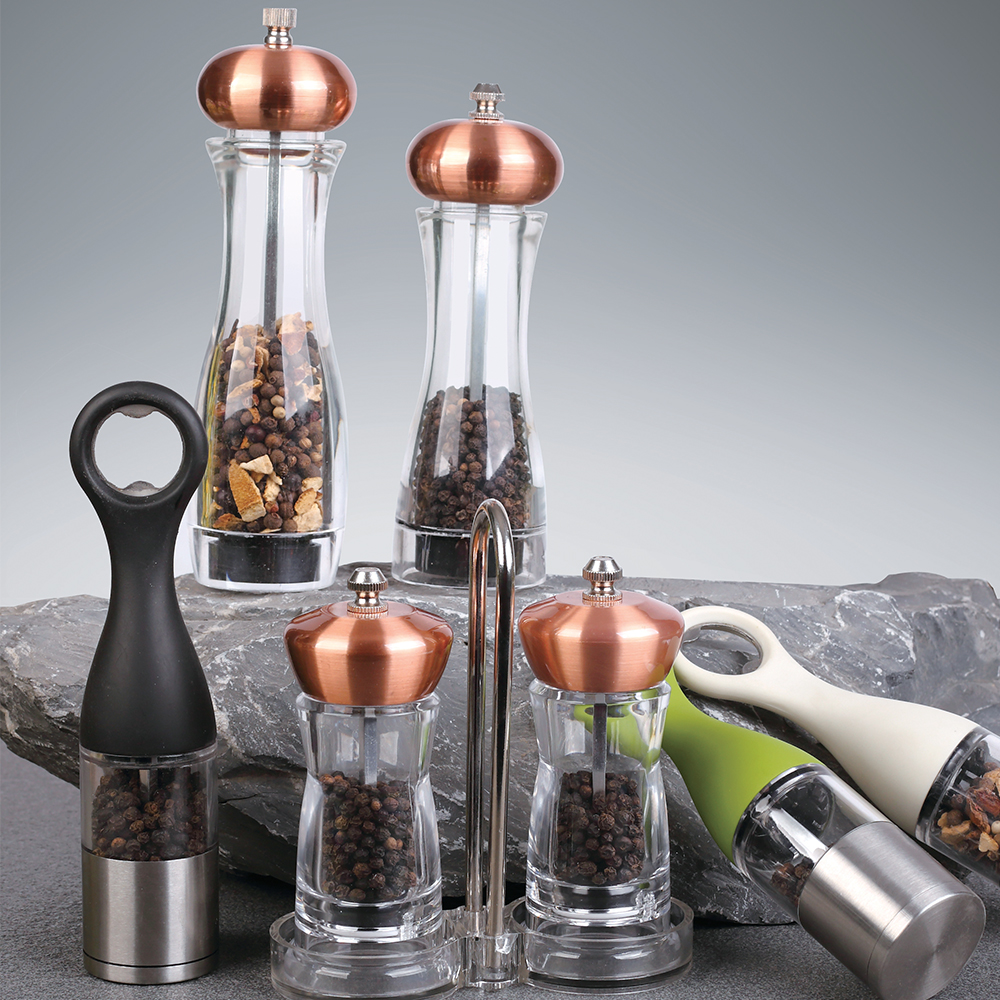 Are Automatic salt and pepper machine Worth the Investment?
  Exploring Materials in usb gravity electric salt and pepper mills - Mangol Grinder
  Role of Functional Testing in Mini Electric Burr Grinder Manufacturing
 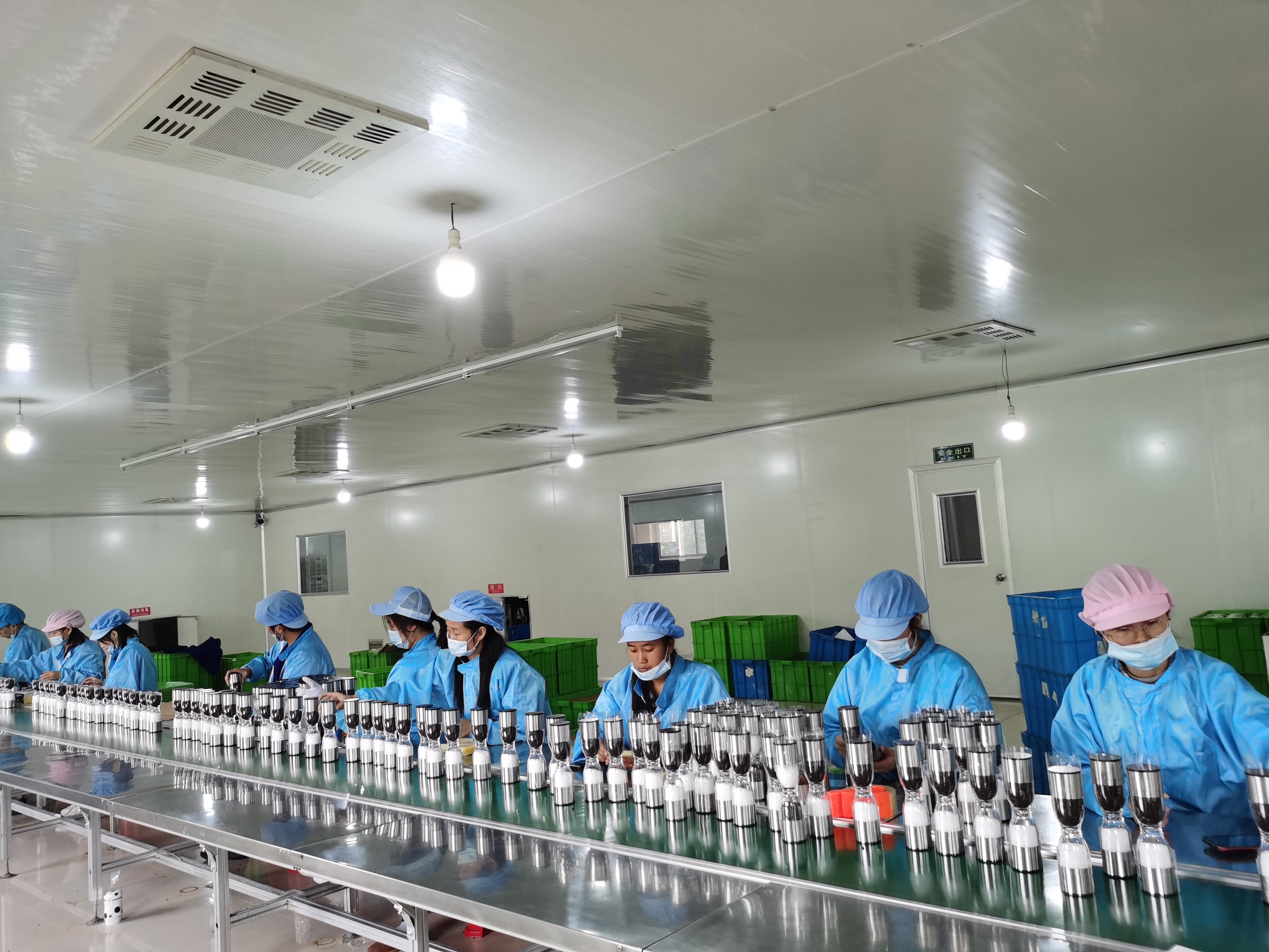 Quality Control Measures in Mini Electric Burr Grinder Manufacturing
  Mini Electric Burr Grinder Manufacturing Process
 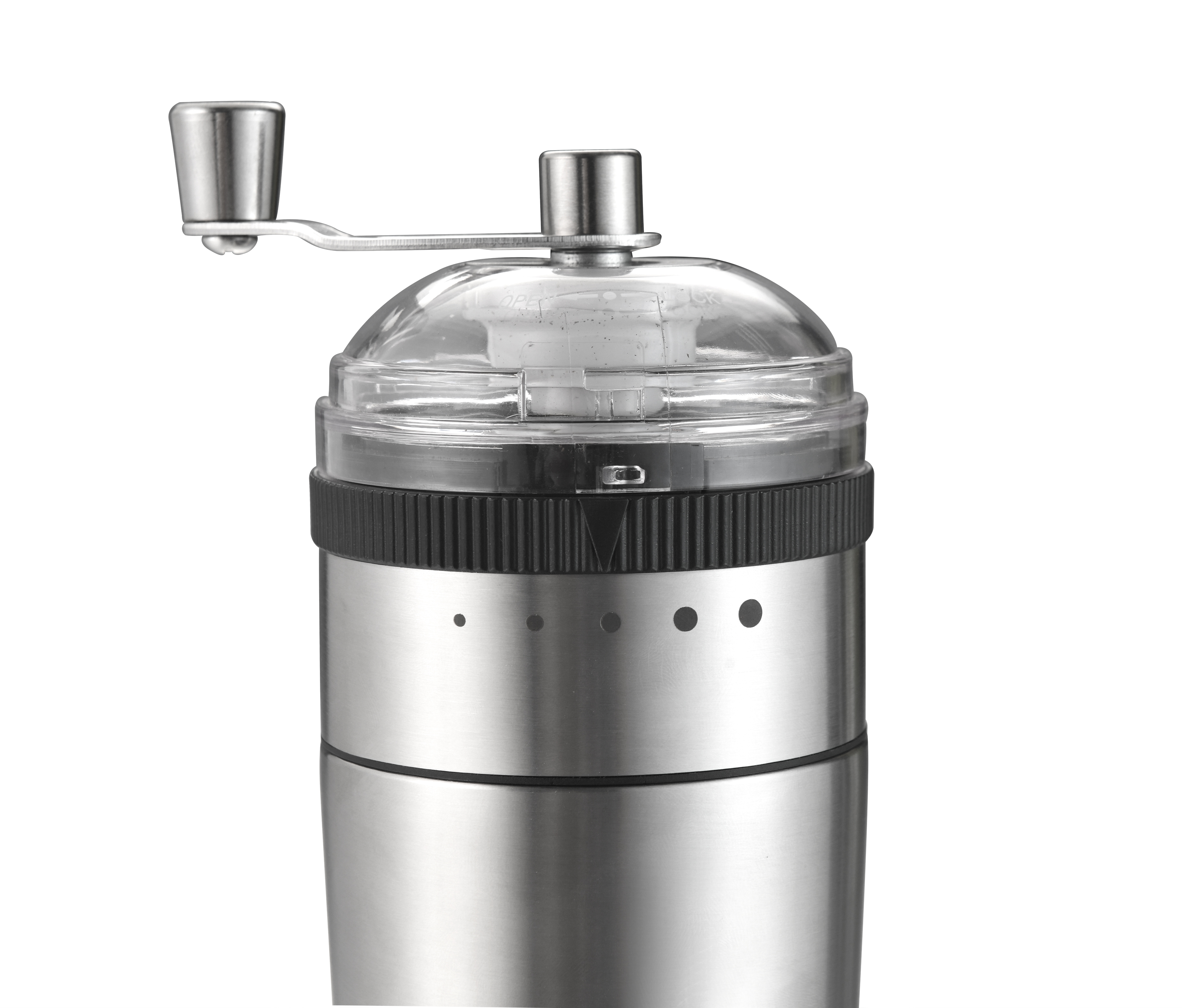 Hand Manual Grinders Design Process and Quality Control
  Voluntary German Safety Certification for Coffee Grinders - GS Mark
  How is the manufacturing process optimized for efficiency in mini salt grinder production?
  Top 5 Pepper Mills and Grinders to Spice up Your Meals
 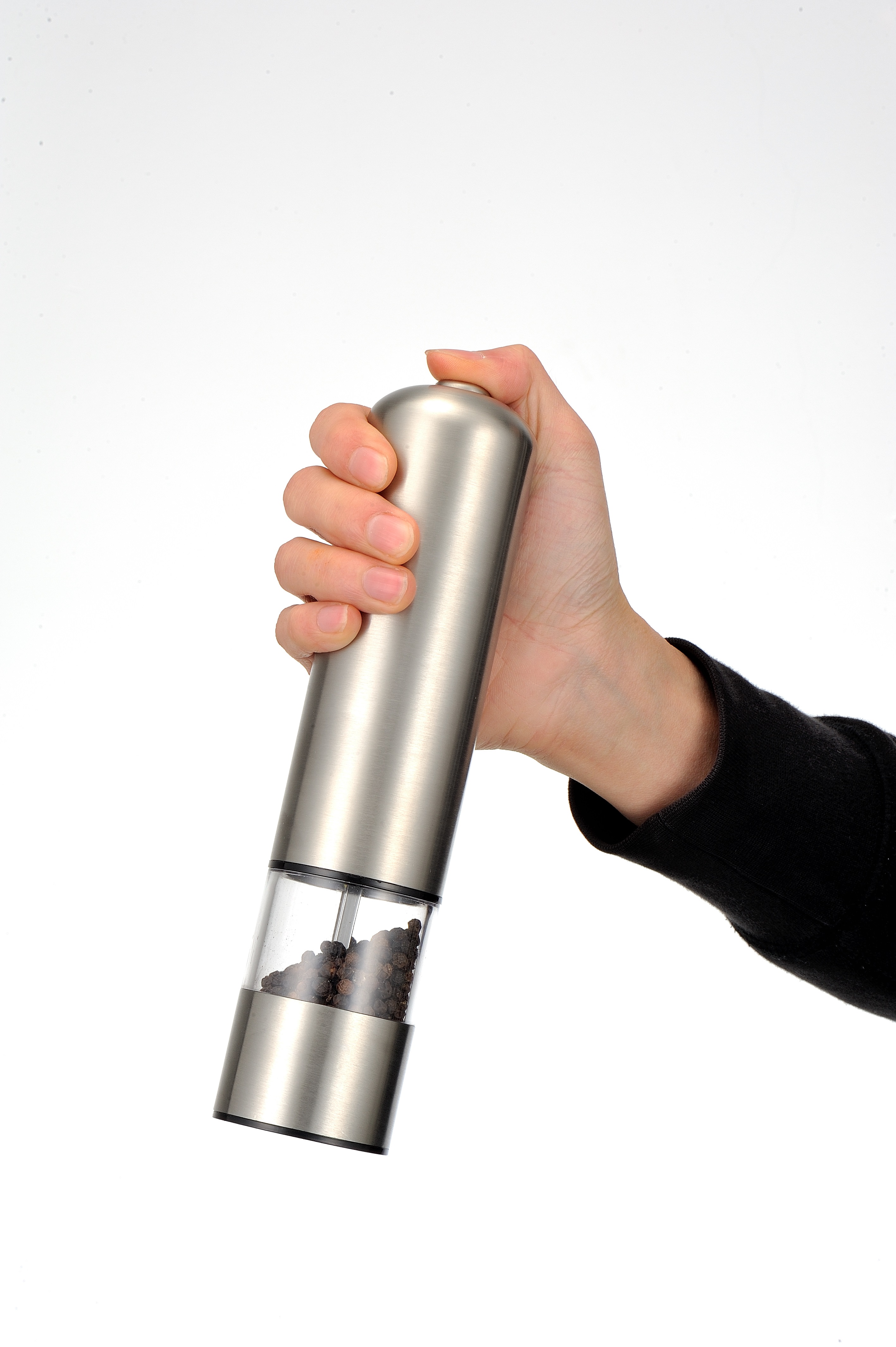 Managing Noise Levels in Electric Grinder Salt Pepper for a Quiet Culinary Experience
  Electric Salt and Pepper Shakers with Lights Design Rationale
  What types of peppercorns are suitable for use in an auto pepper grinder?
  How is the maintenance and cleaning process different for a compact coffee burr grinder small compared to larger models?
  What materials are commonly used in the construction of stepless hand grinders?
 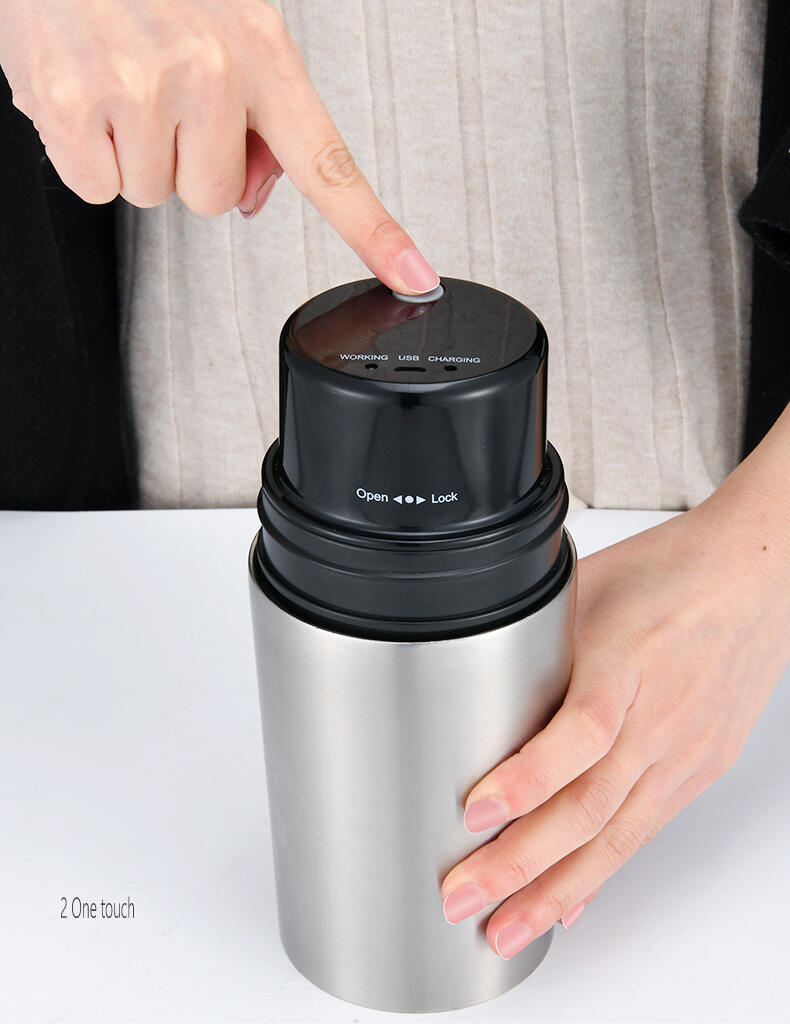 Selecting a High Quality Electric Ceramic Burr Coffee Grinder
 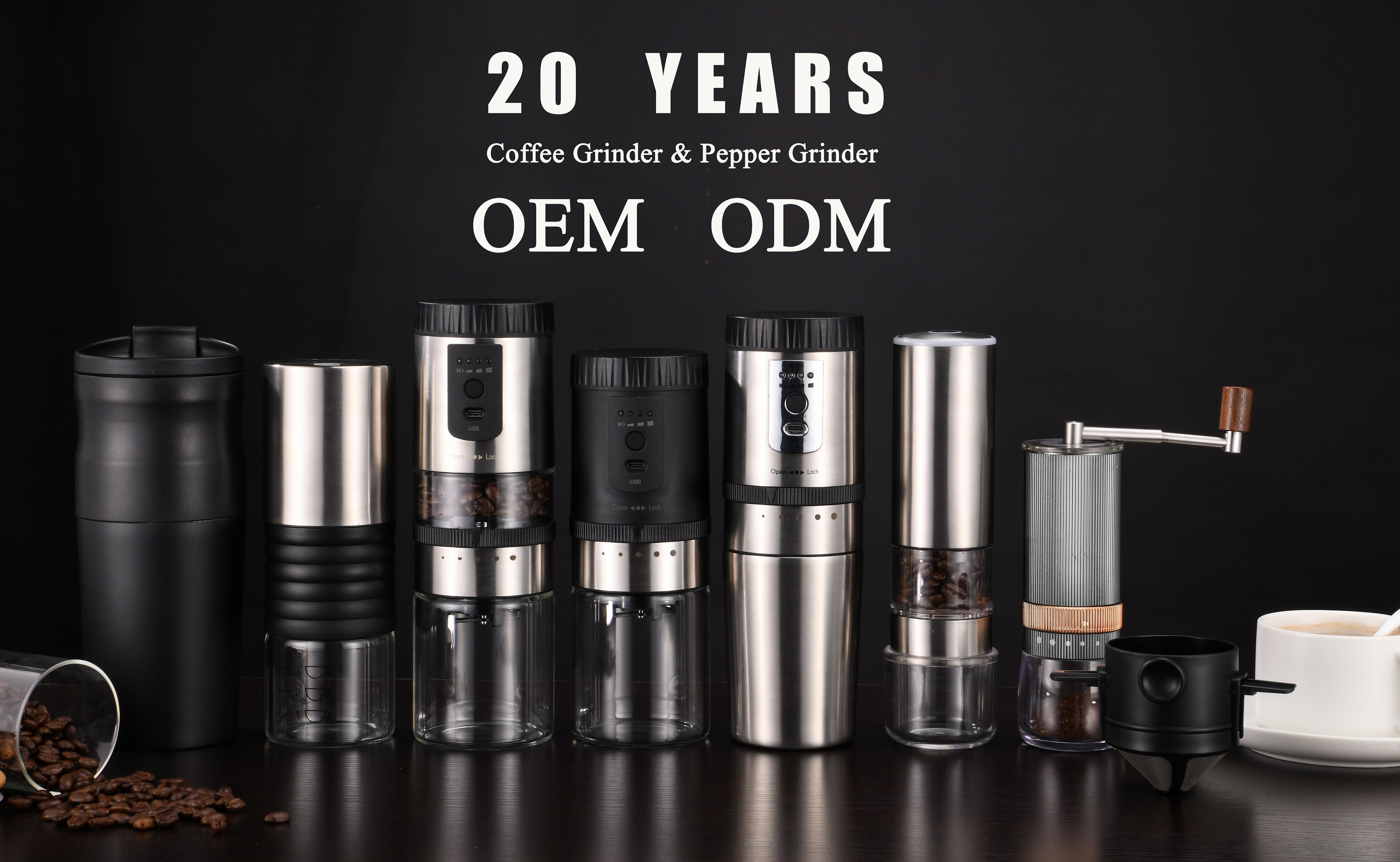 The Most Reputable Handheld Coffee Grinders Brand
  The Key Components of an Electric Ceramic Burr Coffee Grinder
 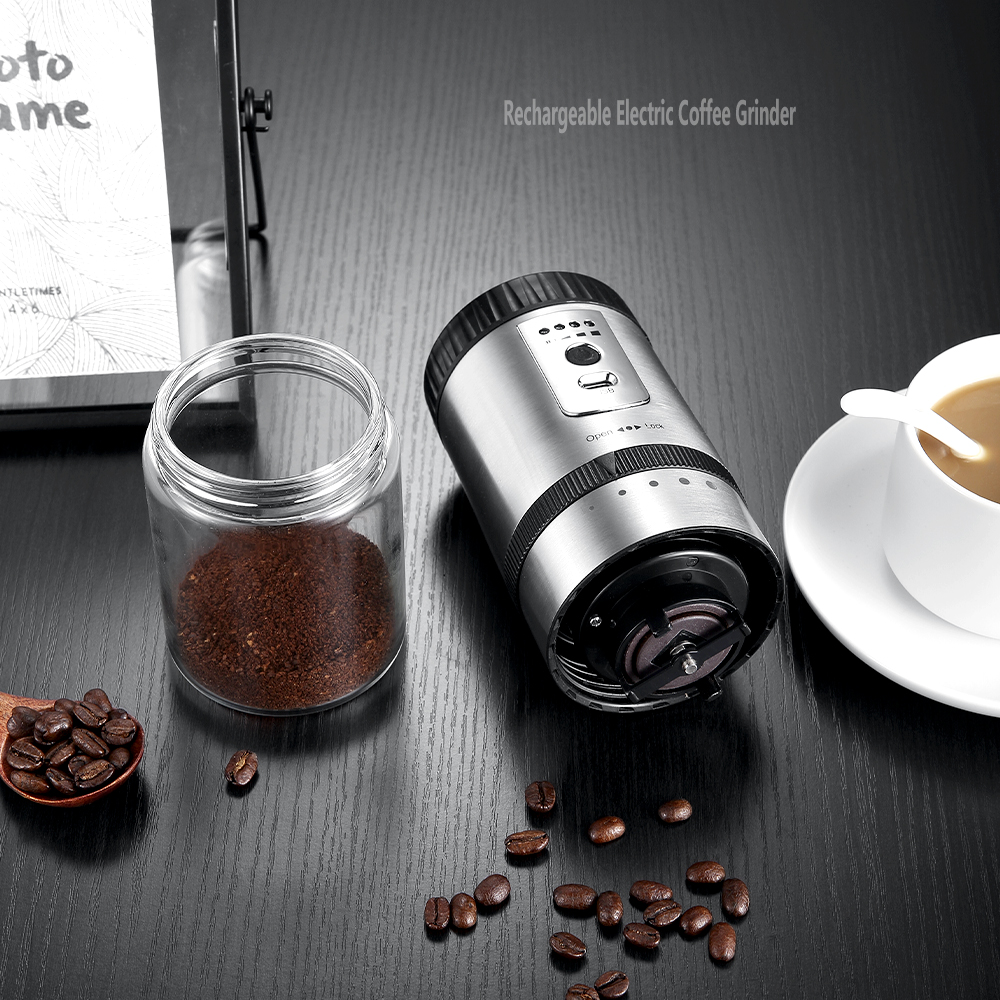 History of Electric Coffee Bean Grinders