
Hand Manual Grinders Design Process and Quality Control
How is the design process undertaken to ensure ergonomic and efficient hand manual grinders?
Hand manual grinders play a crucial role in the daily rituals of coffee enthusiasts and culinary aficionados, providing a tactile and hands-on approach to grinding fresh ingredients. The design of these grinders goes beyond aesthetics; it delves into the realm of ergonomics and efficiency to create a seamless and enjoyable user experience. Here Mangol Grinder will share the intricate design process undertaken to ensure that hand manual grinders are not just functional but also ergonomic and efficient.
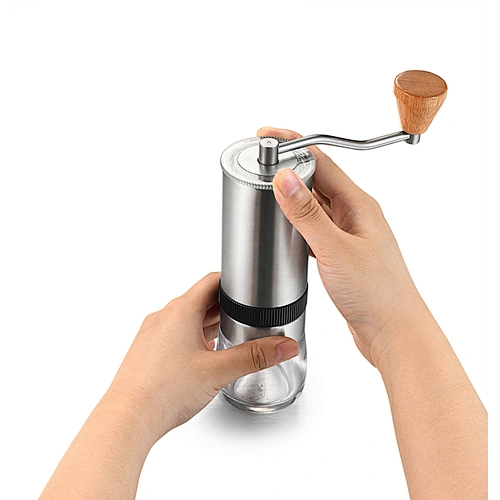
1. Understanding User Needs and Habits
The journey begins with a thorough exploration of the end-user experience. Designers conduct in-depth user research to uncover the nuances of user habits, preferences, and needs. For coffee enthusiasts, this may involve understanding brewing methods, desired grind sizes, and the ritualistic aspects of the coffee-making process. For chefs, considerations may include the types of spices commonly used and the desired textures for different culinary creations.
2. Ergonomic Considerations for User Comfort
Ergonomics is a guiding principle in the design process. Designers analyze how users interact with the grinder, paying meticulous attention to the grip, hand placement, and overall maneuverability. The shape, size, and weight of the grinder are carefully calibrated to ensure that prolonged use is comfortable and minimizes strain. The handle's design is a focal point, with iterations tested to find the optimal shape that allows for a natural and efficient grinding motion.
3. Material Selection for Durability and Aesthetics
Materials are chosen not only for their durability but also for their contribution to the grinder's aesthetic appeal. Stainless steel is often selected for the grinding mechanism due to its resilience and resistance to corrosion. The housing may be crafted from durable plastics, and handles from wood, not just for their functionality but to add a touch of elegance to the design. The marriage of functionality and aesthetics is integral to creating a product that is both practical and visually pleasing.
4. Precision in Grinding Mechanism
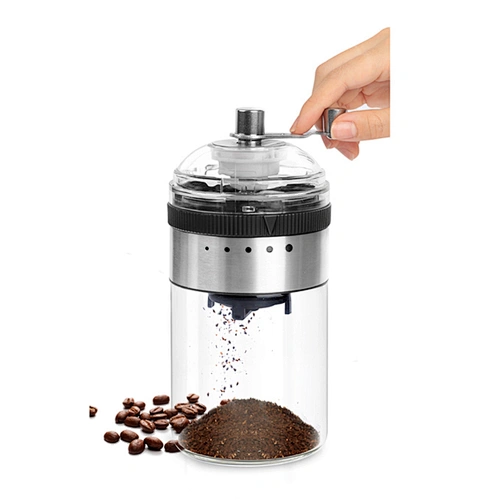
The heart of any hand manual grinder lies in its grinding mechanism. Designers obsess over achieving precision in grind size adjustments. This involves creating a mechanism that allows users to easily fine-tune the grind size to meet specific requirements, whether it's a coarse grind for French press coffee or a fine grind for espresso. The mechanism must be robust, consistent, and capable of delivering the desired results with each use.
5. Compact and Portable Design
Recognizing the demand for on-the-go grinding, designers strive to create compact and portable grinders without compromising stability. The balance between portability and stability is a delicate consideration, with designers exploring innovative folding or collapsible designs that make the grinder easy to carry while maintaining its structural integrity during use.
6. User-Friendly Maintenance
A well-designed hand manual grinder should be easy to disassemble and clean. Designers focus on creating intuitive designs that allow users to easily take apart the grinder for cleaning without the need for specialized tools. Components should be dishwasher-safe or easily rinsed to simplify the maintenance process, contributing to the longevity of the product.
7. Sustainable and Environmentally Conscious Design
Sustainability is a cornerstone of modern design philosophies. Designers are mindful of the environmental impact of their creations, opting for materials with low ecological footprints and ensuring that the product is built to last. Considerations for end-of-life recyclability are integrated into the design, aligning with the values of eco-conscious consumers.
The comprehensive design process of ergonomic hand manual coffee grinders is an artful synthesis of user empathy, engineering precision, and aesthetic sensibility. As users engage with these thoughtfully crafted tools, the immersive experience of grinding becomes more than a task—it becomes a sensory journey. The aroma of freshly ground coffee or the nuanced flavors of hand-ground spices are not just outcomes; they are the result of a design process that elevates everyday rituals into moments of joy and satisfaction. In the hands of the user, a well-designed hand manual grinder is not just a tool; it's a companion in the pursuit of craftsmanship and sensory delight.
How are quality control measures implemented throughout the manufacturing stages to meet industry standards?
Quality control is a paramount aspect of the manufacturing process, influencing the reliability and performance of products. Meeting industry standards is not just a goal but a necessity for businesses aiming to deliver excellence and maintain a competitive edge. In this article, we delve into the comprehensive implementation of quality control measures across manufacturing stages to meet and exceed industry standards.
1. Raw Material Inspection: The Foundation of Quality
The journey towards meeting industry standards begins with the careful examination of raw materials. Manufacturers rigorously inspect and test incoming materials to ensure they meet specified quality criteria. This includes verifying the integrity of materials, assessing compliance with industry standards, and confirming the absence of defects. By investing time and resources in thorough raw material inspection, manufacturers set the stage for a robust and reliable production process.
2. Adherence to Design Specifications: Precision in Manufacturing
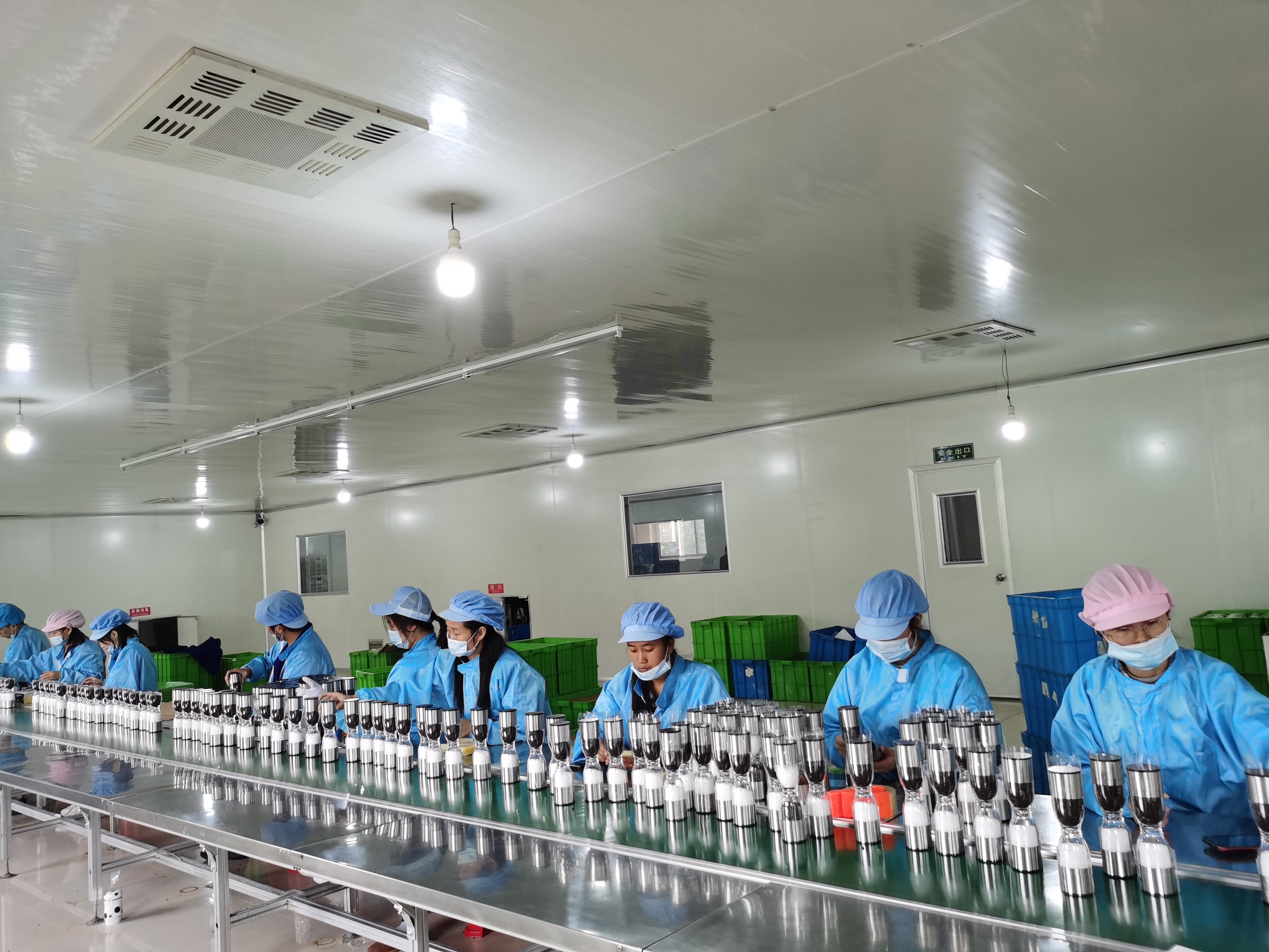
Quality control extends to the production floor, where adherence to design specifications is paramount. Modern manufacturing processes often involve advanced technologies, and precision is key to meeting industry standards. Through the use of automated systems, manufacturers can monitor and control various parameters, ensuring that each product aligns with the approved design. Continuous monitoring during production helps identify deviations promptly, allowing for corrective actions to maintain consistency and quality.
3. In-Process Quality Checks: Real-Time Assurance
To maintain high-quality standards, in-process quality checks are integrated into manufacturing workflows. These checks involve regular inspections and tests at different stages of production. This real-time assurance allows manufacturers to identify any anomalies, defects, or variations early in the process. By addressing issues promptly, the likelihood of producing non-compliant products is significantly reduced, leading to higher overall quality.
4. Advanced Testing Technologies: Elevating Standards
Incorporating advanced testing technologies is a hallmark of a commitment to quality control. Non-destructive testing methods, such as X-ray inspection, ultrasonic testing, and laser scanning, provide manufacturers with comprehensive insights into the integrity of their products. These technologies not only enhance the precision of quality control but also contribute to the detection of potential issues that may not be visible through conventional means.
5. Final Inspection and Quality Assurance: Meeting Industry Benchmarks
Before products leave the manufacturing facility, a final inspection ensures that they meet industry benchmarks and conform to established standards. This stage involves a thorough examination of finished products for visual defects, functional performance, and overall compliance. Final quality assurance is a critical step in preventing defective products from reaching consumers and safeguarding the reputation of the manufacturer.
6. Documentation and Traceability: Accountability in Quality
Documentation and traceability play a vital role in quality control measures. Comprehensive records are maintained throughout the manufacturing process, detailing inspections, tests, and any corrective actions taken. This documentation not only serves as evidence of compliance with industry standards but also facilitates traceability in the event of product recalls or quality-related investigations.
Meeting industry standards is not a one-time achievement but an ongoing commitment to excellence. Manufacturers embrace a culture of continuous improvement, regularly reviewing and refining their quality control processes. Feedback from customers, data analytics, and insights from production line workers all contribute to identifying areas for enhancement. By consistently seeking ways to optimize quality control measures, manufacturers ensure that their products not only meet but exceed industry standards.
The implementation of quality control measures throughout the manufacturing stages is a multifaceted and meticulous process. From raw material inspection to final quality assurance, each step is a crucial link in the chain of ensuring products meet and surpass industry standards. The combination of advanced technologies, rigorous testing, and a commitment to continuous improvement establishes a foundation for manufacturing excellence and customer satisfaction.
 Which is Better, a Ceramic or Steel Pepper Grinder?
  Tips for Choosing Easy Clean Coffee Grinder Features Are Safe and Food-Grade?
  Are Automatic salt and pepper machine Worth the Investment?
  Exploring Materials in usb gravity electric salt and pepper mills - Mangol Grinder
  Role of Functional Testing in Mini Electric Burr Grinder Manufacturing
  Quality Control Measures in Mini Electric Burr Grinder Manufacturing
  Mini Electric Burr Grinder Manufacturing Process
  Voluntary German Safety Certification for Coffee Grinders - GS Mark
  Electrical Safety under the Low Voltage Directive (LVD): Ensuring Compliance for Coffee Grinders
 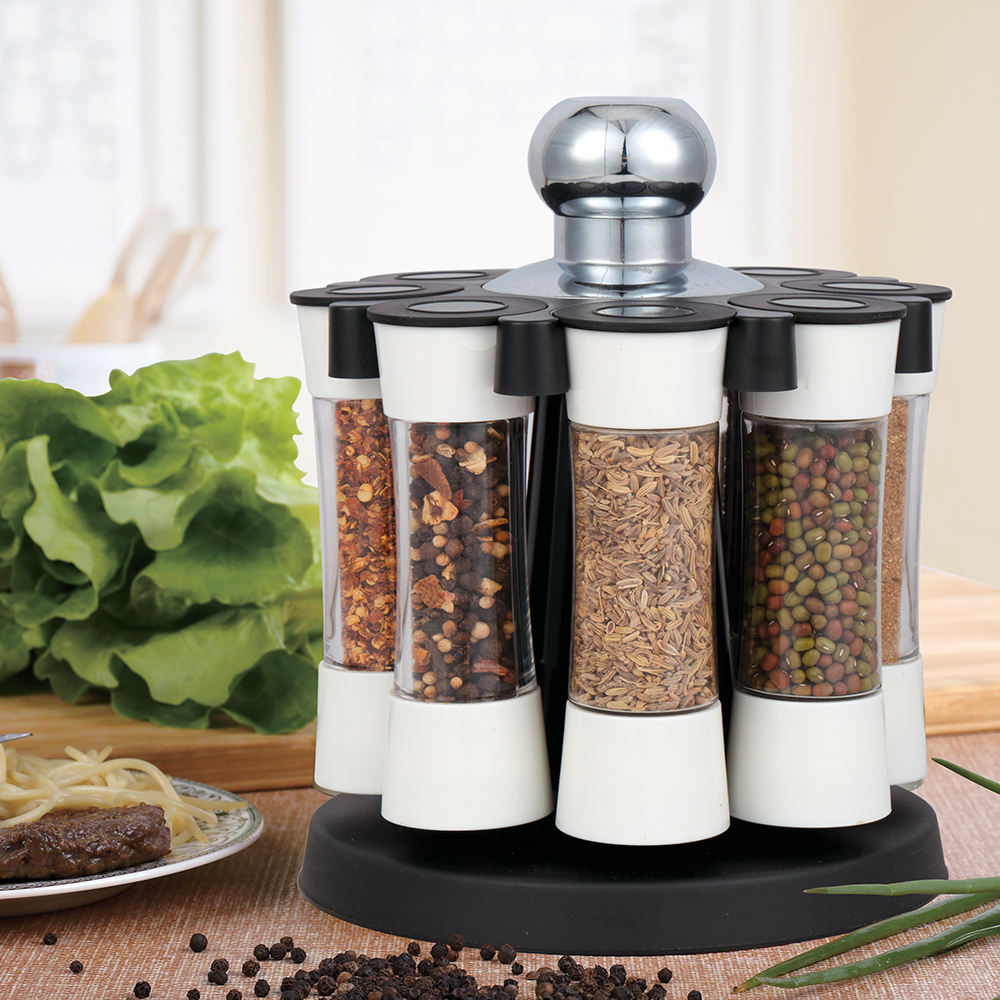 How is the manufacturing process optimized for efficiency in mini salt grinder production?
  Top 5 Pepper Mills and Grinders to Spice up Your Meals
 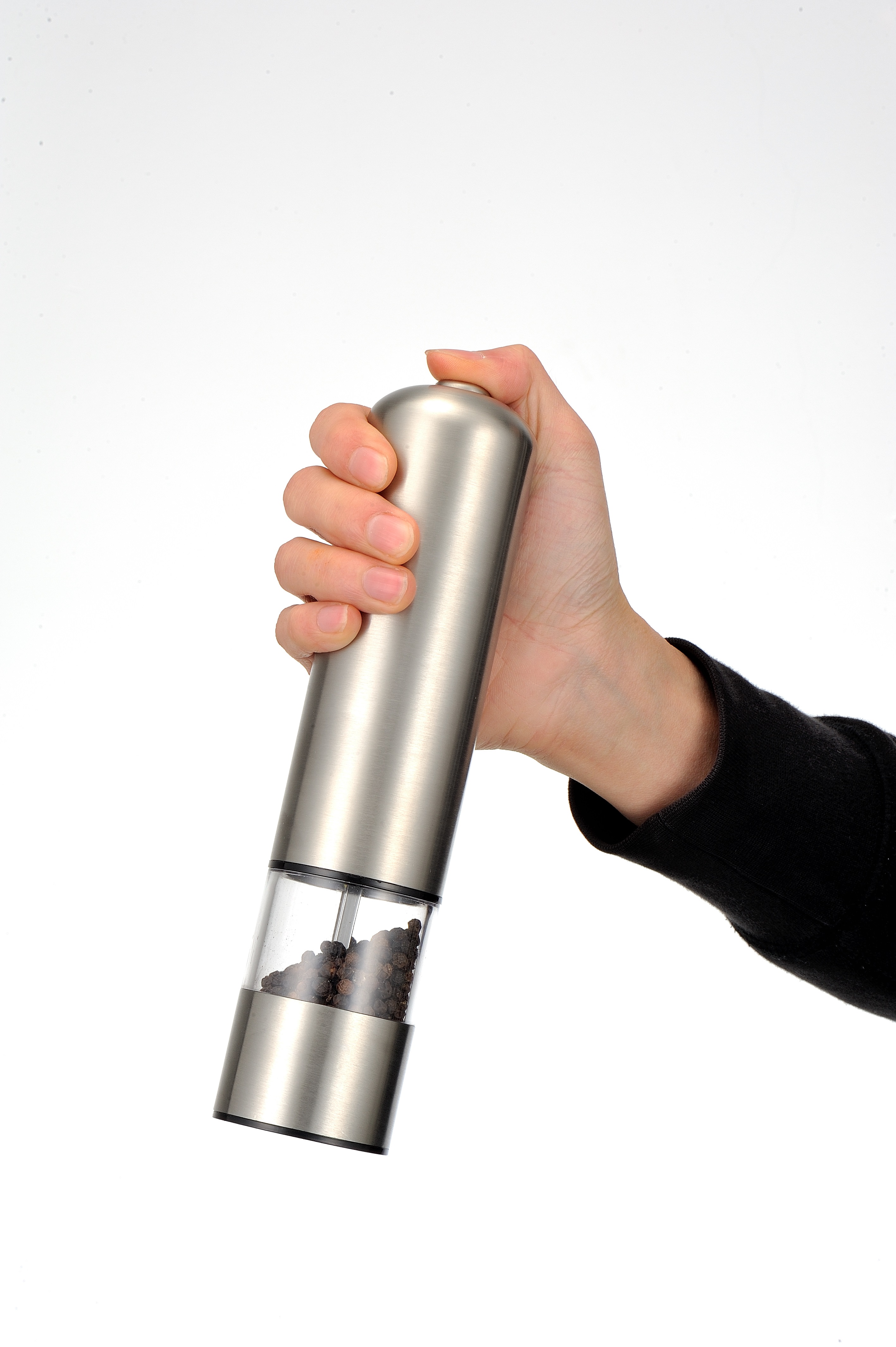 Managing Noise Levels in Electric Grinder Salt Pepper for a Quiet Culinary Experience
  Electric Salt and Pepper Shakers with Lights Design Rationale
  What types of peppercorns are suitable for use in an auto pepper grinder?
  How is the maintenance and cleaning process different for a compact coffee burr grinder small compared to larger models?
  What materials are commonly used in the construction of stepless hand grinders?
  Selecting a High Quality Electric Ceramic Burr Coffee Grinder
 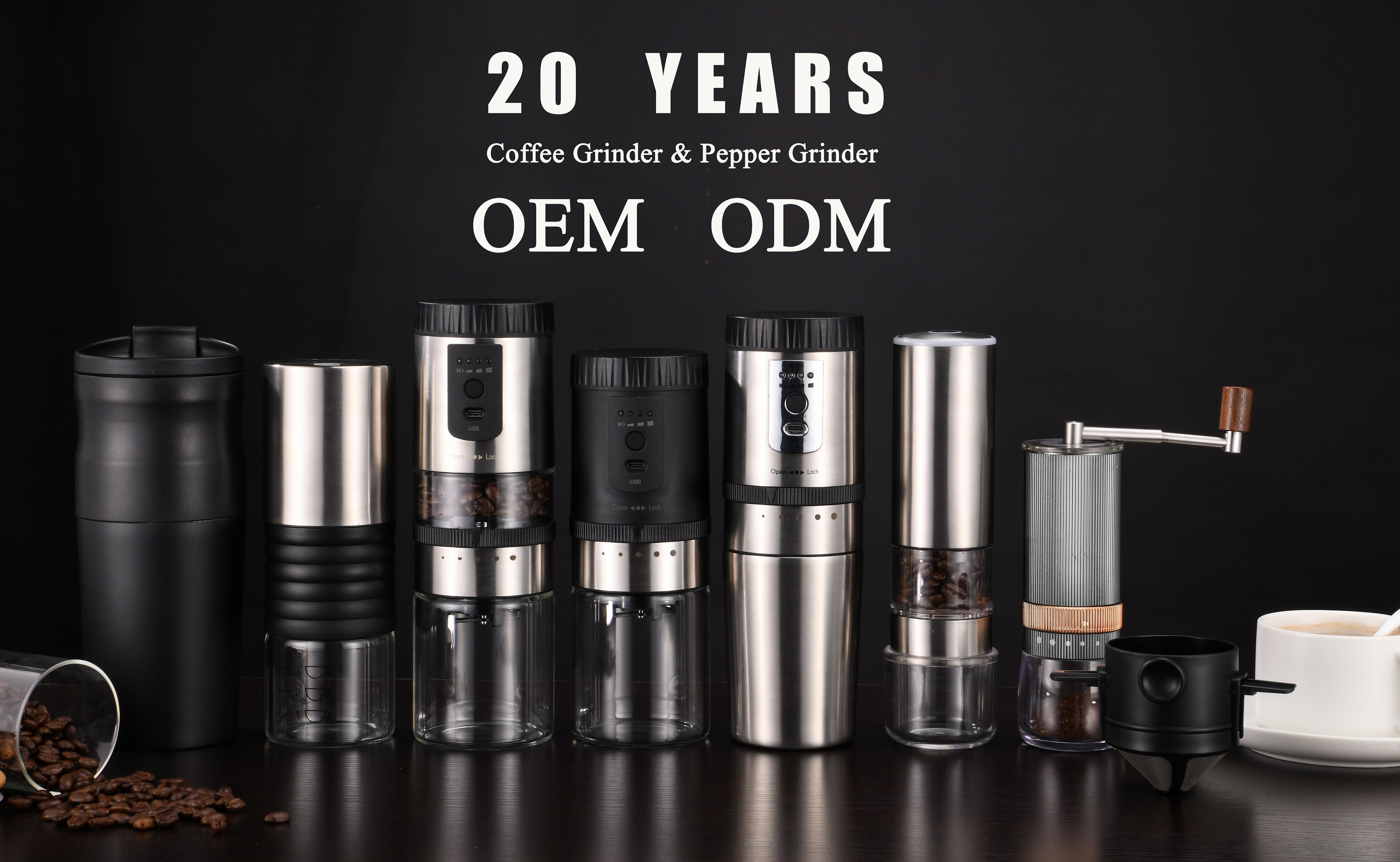 The Most Reputable Handheld Coffee Grinders Brand
  The Key Components of an Electric Ceramic Burr Coffee Grinder
  History of Electric Coffee Bean Grinders