
Role of Functional Testing in Mini Electric Burr Grinder Manufacturing
For precision and performance that defines mini electric burr grinder manufacturing, one phase stands out as the ultimate validator — functional testing. This critical step transcends the visual allure of the product, delving into the very essence of its functionality. Functional testing is the litmus test that ensures each mini electric burr grinder not only meets but exceeds the predetermined standards for grinding consistency, motor functionality, safety features, and overall performance. Now Mangol as a grinder manufacturer will share the profound significance of functional testing and its pivotal role in elevating excellence in the production of mini electric burr grinders.
1. Precision in Grinding Consistency: Shaping the Essence of Flavor
Functional testing scrutinizes the grinder's capability to deliver precise and consistent grinding results. This meticulous examination ensures that the burrs operate seamlessly, producing the desired grind size with uniformity. Precision in grinding consistency is not merely a benchmark; it is the very essence that shapes the flavor profile extracted from coffee beans or other grindable substances.
Uniformity in Grind Size: The essence of flavor lies in the uniformity of grind size. Precision in grinding consistency ensures that each coffee bean undergoes the same meticulous transformation into fine grounds. Whether it's an espresso shot or a French press brew, the consistency in grind size guarantees an even extraction, unlocking the nuanced flavors hidden within the beans.
Balancing Extraction Parameters: Achieving the perfect cup requires a delicate balance of extraction parameters. Precision in grinding consistency allows for control over variables such as surface area and extraction time. This balance is fundamental; it empowers baristas and coffee enthusiasts alike to tailor their brewing process to the specific characteristics of the beans, resulting in a cup that embodies the true essence of flavor.
Unlocking Aromas and Oils: Coffee is a sensory experience, and the aroma and oils encapsulated within the beans are integral to this experience. Precision in grinding ensures that the cellular structure of the coffee beans is preserved, releasing aromatic compounds and oils in harmony. This delicate dance between precision and preservation elevates the sensory journey, allowing the essence of flavor to unfold with each grind.
2. Motor Functionality and Efficiency: Powering Performance
At the heart of every electric grinder lies its motor. Functional testing dives into the intricacies of motor functionality, evaluating efficiency, power delivery, and speed regulation. A well-tested motor not only powers efficient grinding but also contributes to the grinder's overall durability. Functional testing ensures that the motor operates within specified parameters, striking a delicate balance between power and energy consumption.
3. Safety Feature Validation: Prioritizing User Well-being
Safety is paramount in kitchen appliances, and functional testing prioritizes the validation of safety features. Automatic shut-off mechanisms, overload protection, and effective heat dissipation are scrutinized to ensure that the grinder operates securely. This commitment to safety enhances the overall user experience, providing peace of mind to those relying on the appliance in their daily routines.
4. Consistency Across Operating Modes: Versatility and Reliability
Mini electric burr grinders often offer various operating modes, catering to diverse user preferences. Functional testing verifies the grinder's ability to maintain consistency across these modes, ensuring that users can rely on a consistent level of performance regardless of their chosen settings. This versatility not only adds to the grinder's appeal but also enhances its usability in a variety of applications.
5. Noise and Vibration Levels: Enhancing the User Experience
Functional testing extends to assessments of noise and vibration levels generated during operation. Quiet and minimally vibrating grinders enhance the overall user experience, especially in home environments where noise levels matter. Through rigorous testing, manufacturers identify and mitigate any issues related to noise or vibration, contributing to the comfort and usability of the grinder.
6. Testing Under Various Conditions: Real-World Reliability
Functional testing goes beyond standard operating conditions. Manufacturers subject mini electric burr grinders to testing under various scenarios, including high loads, extended operation periods, and temperature variations. This rigorous testing ensures that the grinder can withstand the demands of real-world usage scenarios, guaranteeing reliability and durability over time.
High Loads and Extended Operation: Mini electric burr grinders are often tasked with grinding through varying quantities of coffee beans or other materials. Testing under high loads and extended operation periods simulates the demands of daily use, pushing the grinder to its limits. This endurance testing ensures that the grinder maintains consistent performance even under challenging conditions, guaranteeing longevity and reliability.
Temperature Variations: In real-world scenarios, temperature variations are inevitable. Manufacturers subject mini electric burr grinders to testing under different temperature conditions to evaluate their resilience. This includes assessing performance in both high and low-temperature environments. The goal is to ensure that the grinder's functionality remains steadfast, regardless of the external climate, and to identify any potential issues related to heat dissipation.
Variable Grind Settings: Mini electric burr grinders often offer users the flexibility to choose from various grind settings. Testing the grinder under different grind settings ensures that it can seamlessly transition between coarse and fine grinds. This variability testing is crucial to maintaining consistency and reliability, allowing users to customize their grinding experience without compromising on performance.
Inconsistent Power Supply: Real-world conditions are seldom perfect, and power supply fluctuations are a common occurrence. Mini electric burr grinders undergo testing under inconsistent power supply scenarios to assess their adaptability. Ensuring that the grinder can function reliably even in the face of power fluctuations contributes to its robustness and user satisfaction.
Wear and Tear Simulations: With time and use, every appliance undergoes wear and tear. Manufacturers simulate these conditions through testing mechanisms that accelerate the aging process. This includes subjecting the grinder to repetitive grinding cycles, mimicking the impact of extended use. By doing so, manufacturers can identify potential weak points and address them proactively, ensuring that the grinder ages gracefully and maintains its reliability over time.
Real-World User Scenarios: Perhaps the most intricate aspect of real-world reliability testing involves mimicking everyday user scenarios. This includes testing the grinder in environments that mirror typical kitchen conditions, considering factors such as ambient humidity, dust, and varying user habits. By replicating these scenarios, manufacturers gain insights into how the grinder will perform in the hands of diverse users, ensuring its reliability across different lifestyles and settings.
7. Calibration and Adjustability: Precision Customization
Mini electric burr grinders often boast calibration settings for grind size and adjustability. Functional testing meticulously assesses the accuracy of these settings, ensuring that users can rely on the grinder to consistently deliver the desired grind size. Calibration and adjustability testing contribute to the precision and customization capabilities of the grinder, allowing users to tailor their grinding experience to perfection.
For kitchen appliances, functional testing emerges as the crescendo in the symphony of mini electric burr grinder manufacturing. It is the final validation, the last checkpoint where each grinder must prove its mettle. As consumers increasingly demand appliances that marry form with function, manufacturers invest significantly in this crucial phase. The results of functional testing are not just a stamp of approval; they are a testament to the unwavering commitment of manufacturers to deliver mini electric burr grinders that embody excellence in performance, safety, and user satisfaction. In a world where quality and functionality are paramount, functional testing stands as the guardian ensuring that every mini electric burr grinder that graces the market is a testament to the pursuit of perfection.
 Which is Better, a Ceramic or Steel Pepper Grinder?
  Tips for Choosing Easy Clean Coffee Grinder Features Are Safe and Food-Grade?
 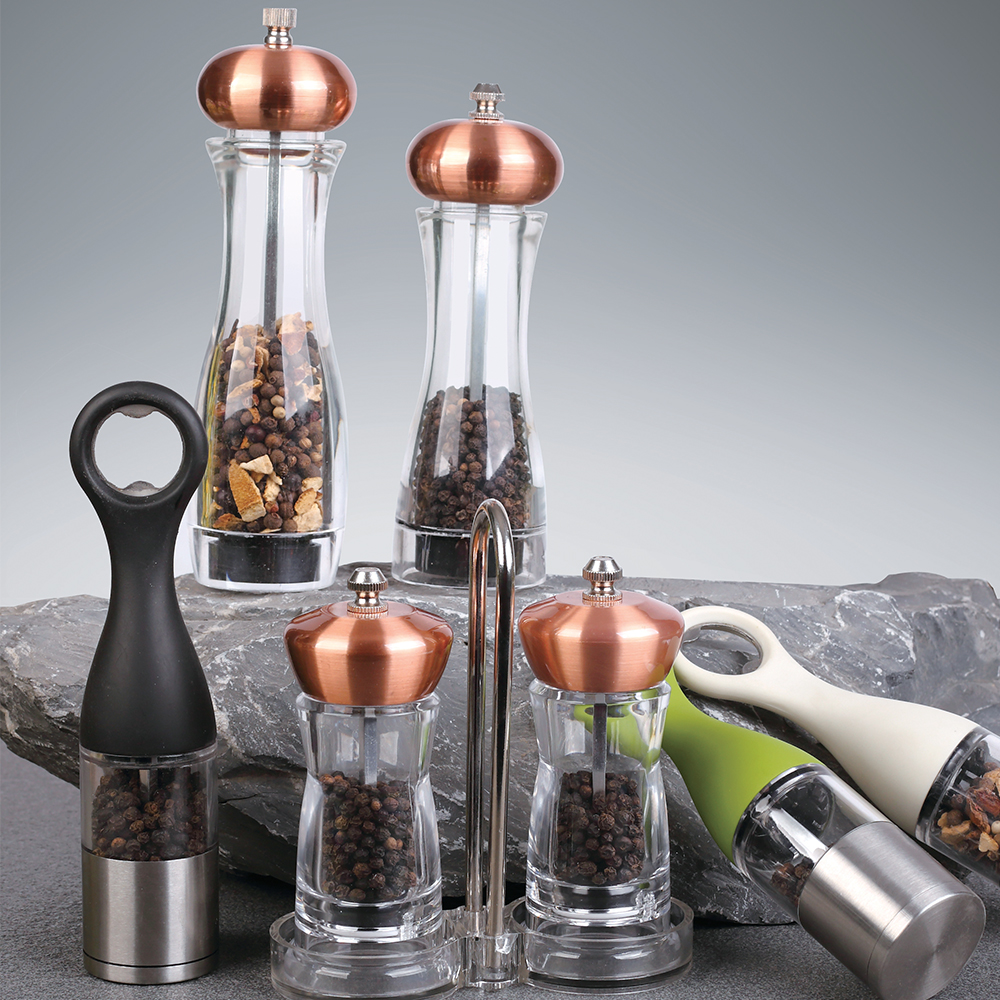 Are Automatic salt and pepper machine Worth the Investment?
  Exploring Materials in usb gravity electric salt and pepper mills - Mangol Grinder
 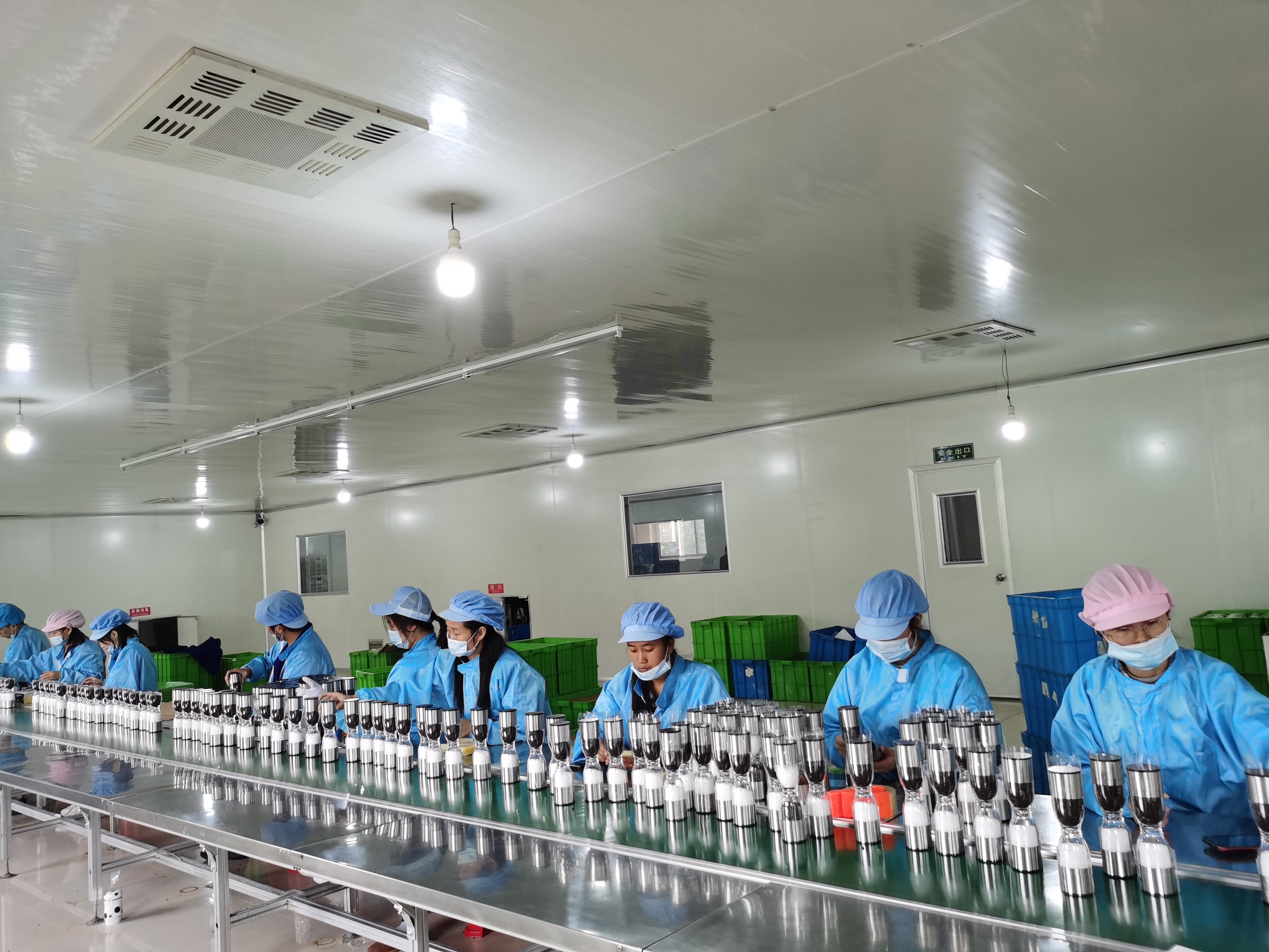 Quality Control Measures in Mini Electric Burr Grinder Manufacturing
  Mini Electric Burr Grinder Manufacturing Process
 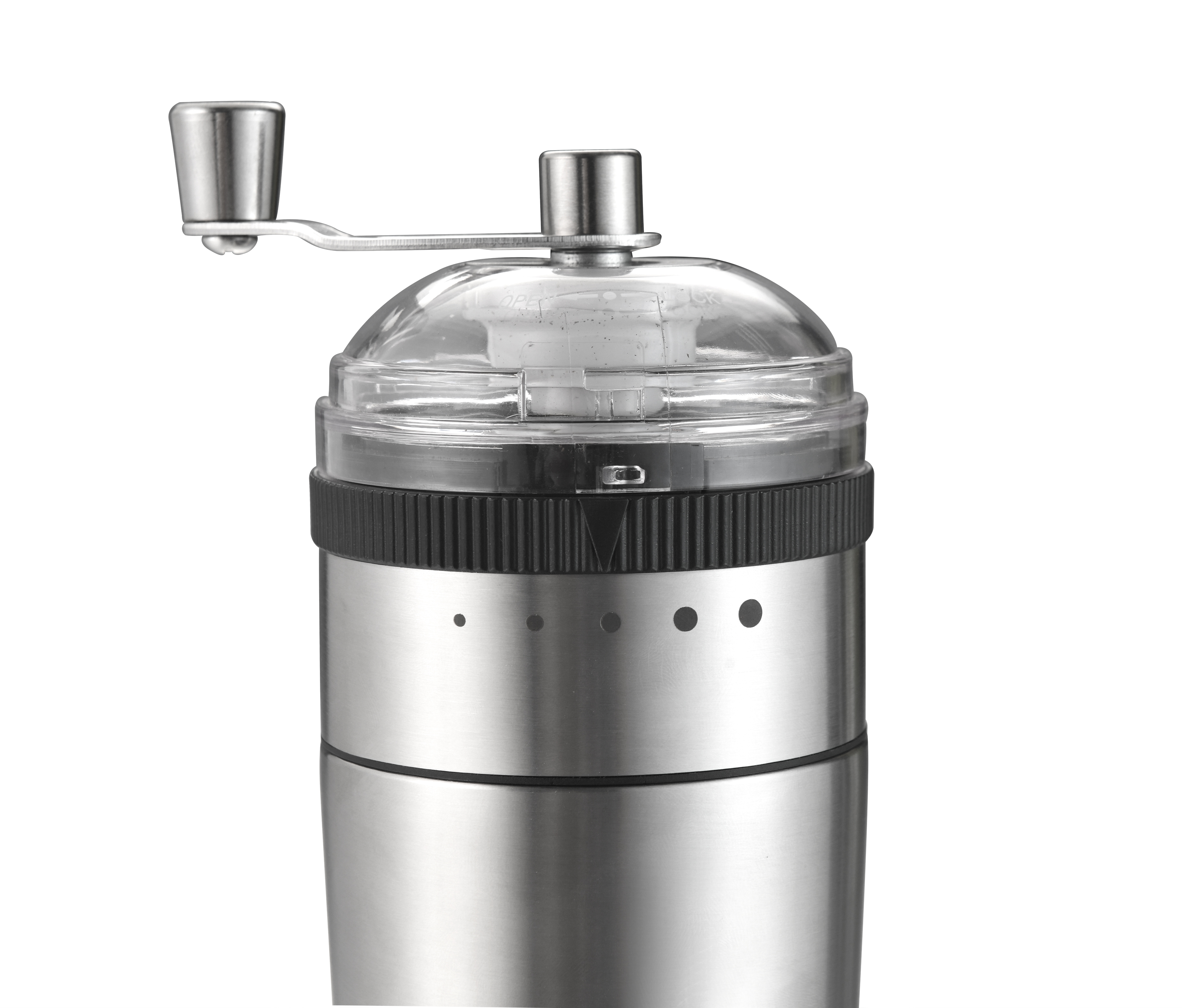 Hand Manual Grinders Design Process and Quality Control
  Voluntary German Safety Certification for Coffee Grinders - GS Mark
  Electrical Safety under the Low Voltage Directive (LVD): Ensuring Compliance for Coffee Grinders
 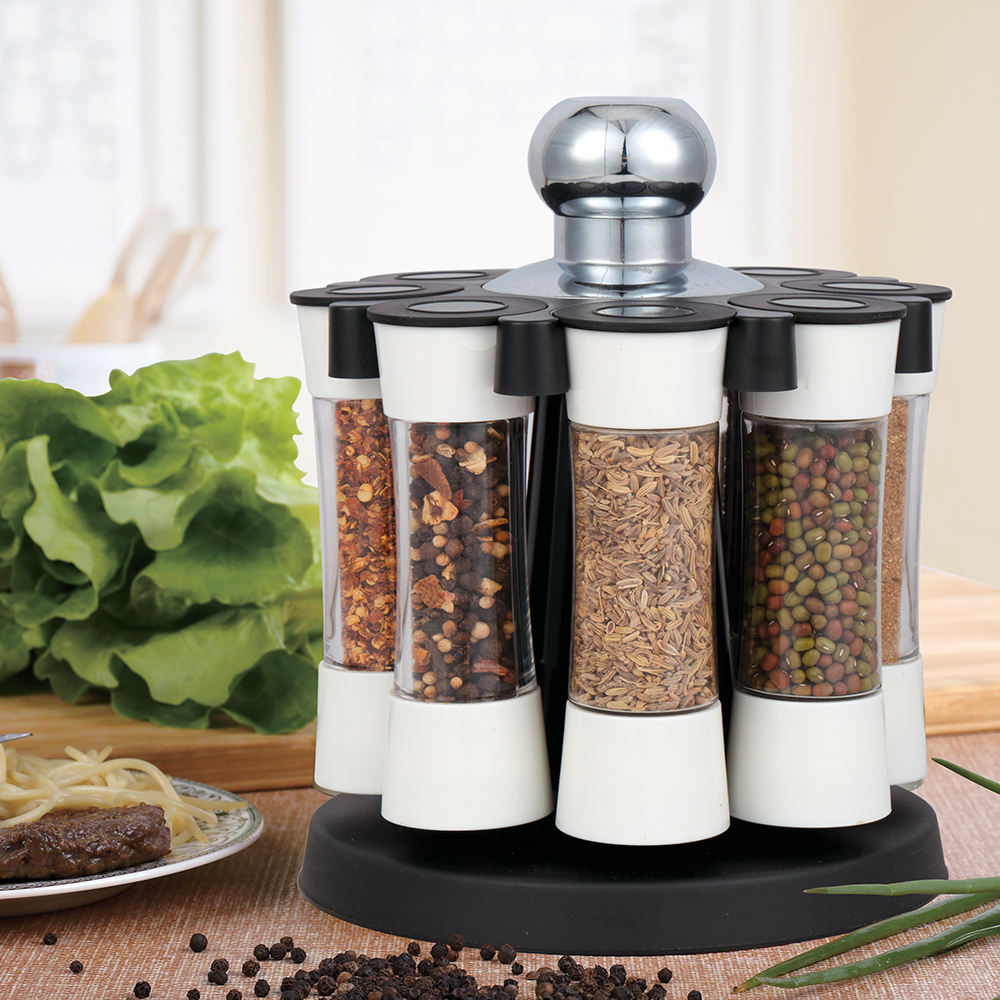 How is the manufacturing process optimized for efficiency in mini salt grinder production?
  Top 5 Pepper Mills and Grinders to Spice up Your Meals
  Managing Noise Levels in Electric Grinder Salt Pepper for a Quiet Culinary Experience
  Electric Salt and Pepper Shakers with Lights Design Rationale
  What types of peppercorns are suitable for use in an auto pepper grinder?
  How is the maintenance and cleaning process different for a compact coffee burr grinder small compared to larger models?
  What materials are commonly used in the construction of stepless hand grinders?
  Selecting a High Quality Electric Ceramic Burr Coffee Grinder
  The Most Reputable Handheld Coffee Grinders Brand
  The Key Components of an Electric Ceramic Burr Coffee Grinder
  History of Electric Coffee Bean Grinders