
Should I using rice to clean coffee grinder?
There are few experiences as delightful as the alluring aroma of brewing coffee in the morning, regardless of whether you savor the taste or not. Coffee holds a special place in the morning routines of people throughout the country, and this coffee culture is characterized by a wealth of sophisticated gadgets and equipment that can turn virtually anyone into a skilled barista within the comfort of their own home.
Maintaining kitchen equipment can often be a tedious chore. When we stumble upon seemingly simple tricks, such as using rice to clean coffee grinders, that are making the rounds on TikTok, our curiosity gets the best of us. But, is this method a wise choice for cleaning your coffee grinder, or does it potentially have unintended consequences? Let's delve into the matter and discover the pros and cons.
Is Rice Safe for Our Coffee Grinder?
Cleaning a blade grinder is a relatively straightforward task, but a comprehensive cleaning of a burr grinder may demand a toolkit, making it a less frequent undertaking. While commercial grinder cleaning tablets effectively eliminate dust from every crevice, they can be costly over time. This is where a clever and budget-friendly solution comes into play - using a common pantry staple that many of us already possess: rice.
For numerous coffee enthusiasts, the practice of introducing uncooked rice into their burr grinder may appear to be an obvious choice. This method effectively absorbs coffee dust, residue, and oils, effectively cleansing the grinder and reducing the need for labor-intensive manual cleaning. Nevertheless, it's essential to recognize that coffee grinders are purpose-built for the task of grinding coffee beans, not handling rice granules. Many types of uncooked rice are considerably harder than coffee beans, and this disparity in hardness can potentially harm your grinder, particularly if it's a burr grinder. Additionally, it's worth noting that most grinder manufacturers do not extend warranty coverage to address damage caused by rice, and high-quality coffee grinders often come with a substantial price tag.
The popular rice-cleaning trick for coffee grinders is indeed a valid method, but selecting the correct type of rice is essential to prevent any potential harm to your valuable machine.
Enthusiasts in the coffee community have found that using dry instant rice is an effective solution to this concern. Dry, pre-cooked rice has a texture that is similar to coffee beans, making it highly efficient at cleaning burr grinders without posing any risk of damage. If you prefer not to invest in instant rice, you have the option to prepare it at home by dehydrating cooked rice, although this process requires a significantly greater time commitment.
Blade grinders are typically more affordable and are commonly employed for grinding tough spices. As such, using regular uncooked rice in these devices is generally less problematic. Nonetheless, to maximize the longevity of your blade grinder, it is advisable to opt for instant rice as a safer choice.
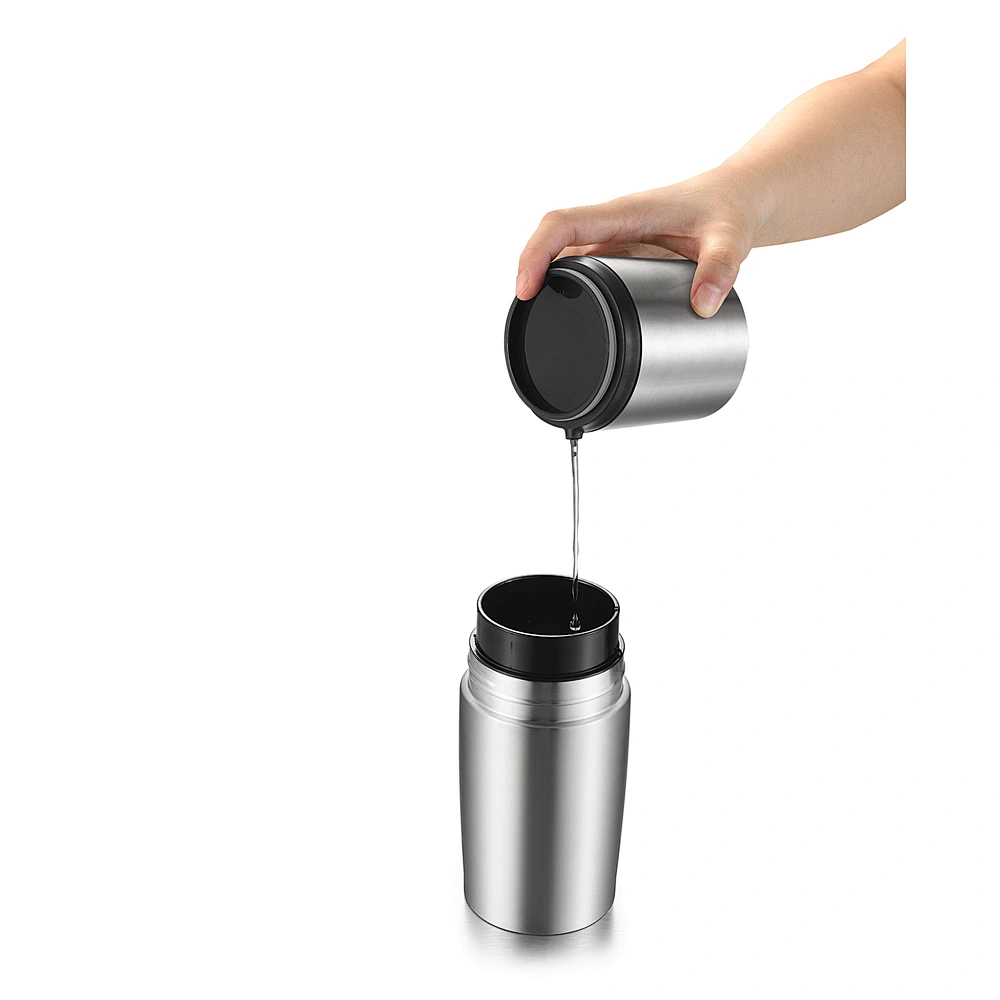
How to Clean my Coffee Grinder with Rice?
Is it worth trying out this popular trend in your own kitchen? Although the warranty rules remain consistent for uncooked regular rice and instant rice, the use of instant rice is less likely to cause harm to your grinder. However, it's important to note that if any damage does occur, it is unlikely to be covered by your grinder's warranty.
Here is the step-by-step method:
- Clean the hopper and burr by using a vacuum to extract and remove any accumulated dust and trapped coffee beans.
- Place half a cup of instant rice into the grinder's hopper and activate the grinder to process it.
- Put some old coffee beans into the grinder and give it one final run to eliminate any remaining rice residue from the grinder.
- Begin by unscrewing the hopper, removing the burr, and taking out the rubber ring.
- Utilize a vacuum cleaner to eliminate any remaining coffee grounds or rice from the surface.
- It's now time to employ a brush to remove the accumulated dust and trapped coffee grounds within the machine.
- Vacuum the upper chamber once more to ensure any remaining rice residue is completely removed from the machine.
- Utilize a brush to clear away any coffee residue that may be present around the threading of the hopper and the upper burr. For the rubber ring, gently wipe it clean using a damp towel or a kitchen cloth. It's important to avoid using paper towels inside the grinder, as they can leave unwanted residues.
- Put everything back together into its original position.
How Often & Why We Need to Clean Our Coffee Grinder?
While it might seem unnecessary to clean your coffee grinder when you're using dry coffee beans, this misconception could not be further from reality. Be it a blade or burr grinder, routine maintenance is essential to ensure the optimal performance and longevity of your coffee grinder. This practice is particularly vital if you've invested in a high-end grinder and want to preserve the excellence of your daily coffee brewing experience.
As we grind coffee beans, a fine coffee dust accumulates both within the grinder and on any surfaces it touches. Surprisingly, this seemingly harmless dust carries coffee bean oils, which, irrespective of the beans' freshness, can turn rancid. This transformation results in a sharp, unpleasant bitterness in your final coffee brew, unrelated to the coffee's strength or your brewing method.
When it comes to cleaning your coffee grinder, the frequency can vary among coffee enthusiasts. Many opt for a daily routine of simply dusting off the exterior grounds, while others prefer a more thorough wipe down of the hopper and grind chamber on a weekly or bi-weekly basis. Additionally, a comprehensive deep cleaning with the use of rice is recommended every one to three months, although some individuals may choose to wait as long as six months between deep cleanings.
The residue that accumulates in coffee grinders, especially in burr grinders, is a serious matter. Neglecting regular cleaning can lead to the system becoming jammed, causing operational issues. Consistent cleaning practices are crucial for keeping your grinder in optimal condition, ultimately ensuring that every cup of coffee you brew maintains its exceptional taste.

Mangol as an coffee grinder manufacturer who is one of the specialized kitchenware company, integrated with independent R&D in self-reliance and manufacture field. Mangol produce a variety of products covering high-grade kitchenware items.
With ISO22000:2005&BSCI, Mangol strictly fulfilling its quality control and marketing management system. Insisting in the principle of prestige and quality first. Zhejiang Wuyi WJL plastic industry company always leads roles at kitchenware field, more than 98% percent of our products are exported to Europe, Austrelia, South and East Asia,Middle East, Canada and USA Market, and awarded with significant growing tendency.
Zhejiang Wuyi WJL plastic industry company concentrates a 100 well-experienced employees, which penetrate design, R&D, production management, marketing department, also assembles specialized, high process quality workshop.
 Which is Better, a Ceramic or Steel Pepper Grinder?
  Tips for Choosing Easy Clean Coffee Grinder Features Are Safe and Food-Grade?
  Are Automatic salt and pepper machine Worth the Investment?
  Exploring Materials in usb gravity electric salt and pepper mills - Mangol Grinder
  Role of Functional Testing in Mini Electric Burr Grinder Manufacturing
 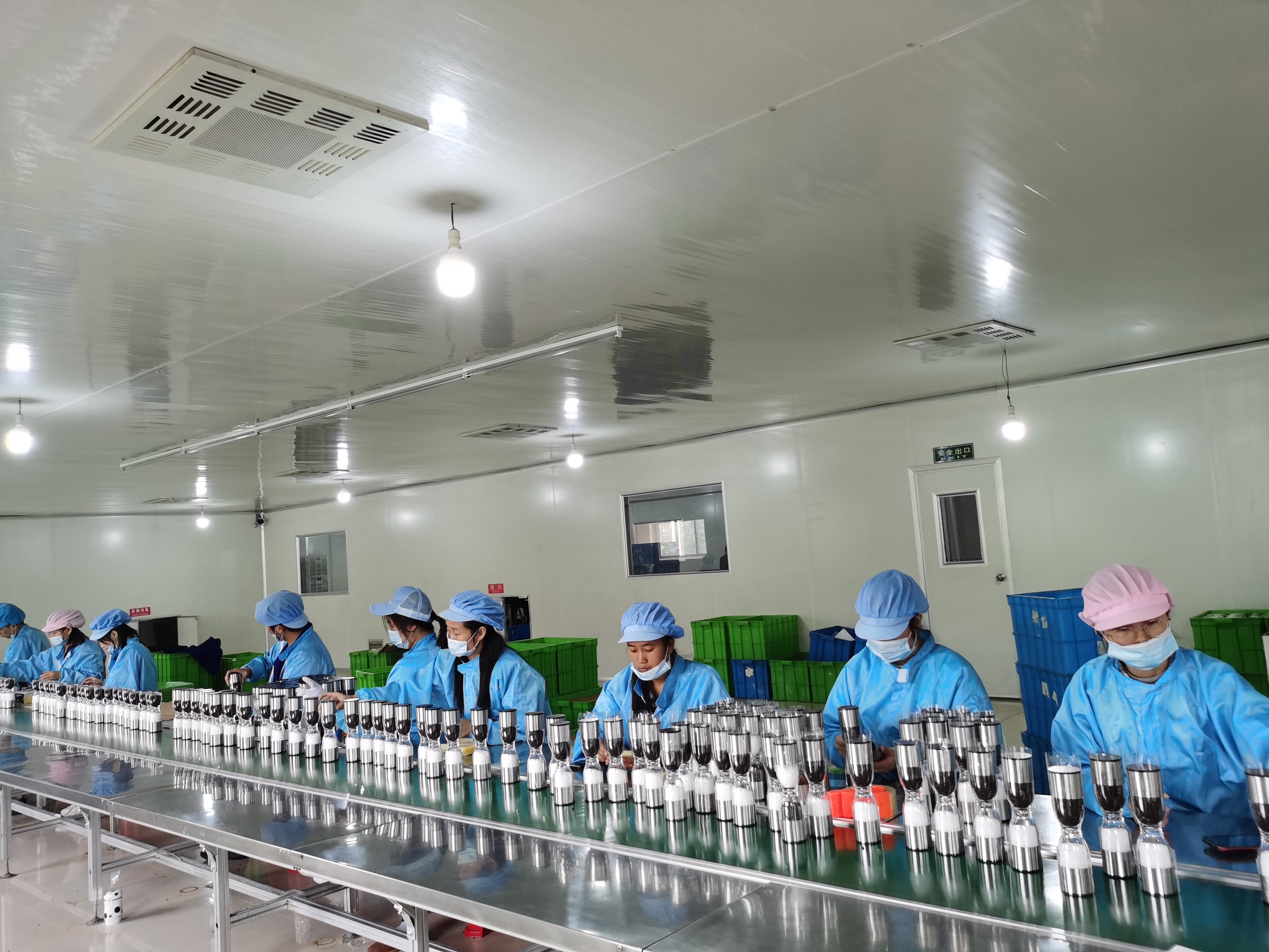 Quality Control Measures in Mini Electric Burr Grinder Manufacturing
  Mini Electric Burr Grinder Manufacturing Process
 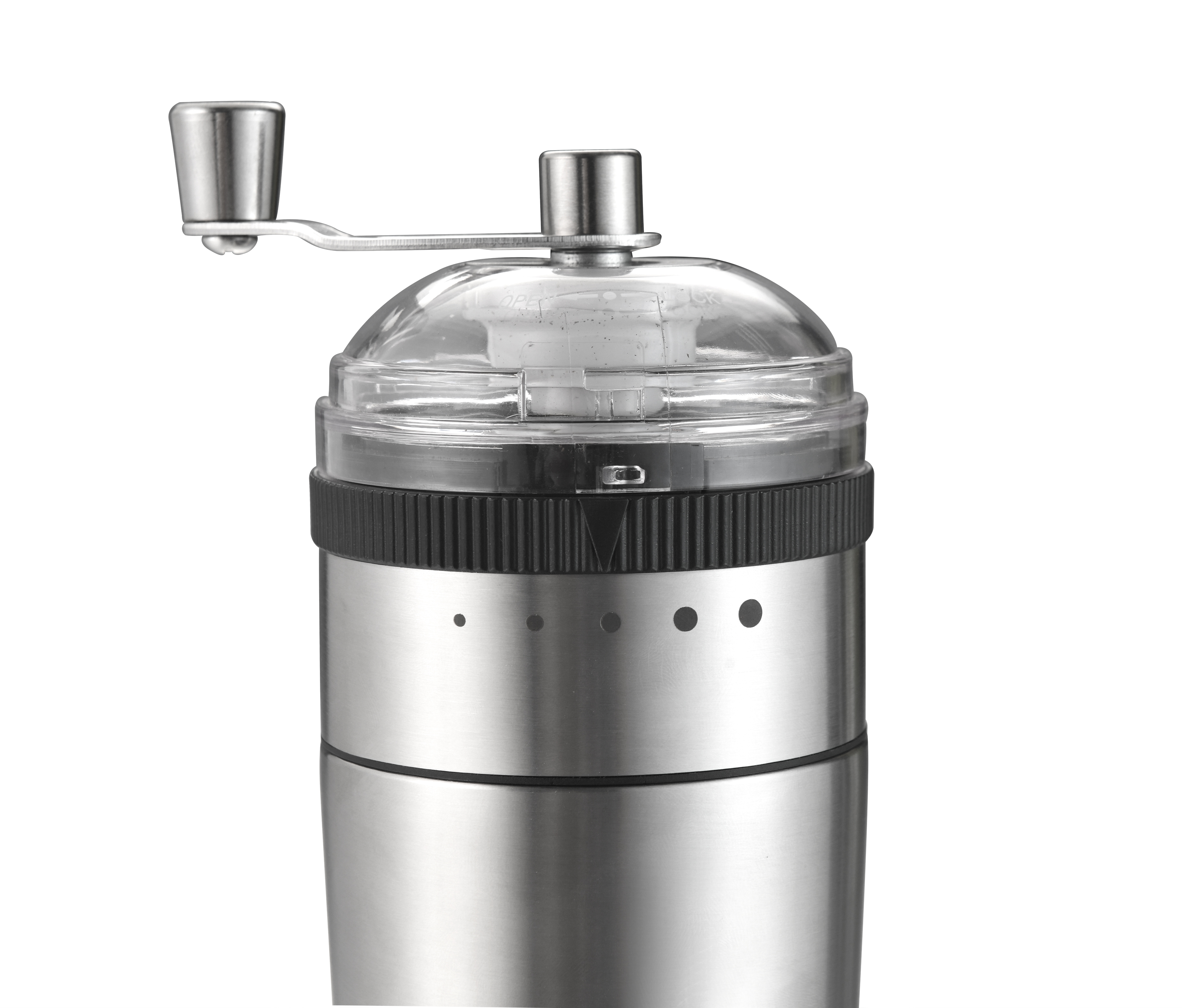 Hand Manual Grinders Design Process and Quality Control
  Voluntary German Safety Certification for Coffee Grinders - GS Mark
  Electrical Safety under the Low Voltage Directive (LVD): Ensuring Compliance for Coffee Grinders
  How is the manufacturing process optimized for efficiency in mini salt grinder production?
  Top 5 Pepper Mills and Grinders to Spice up Your Meals
 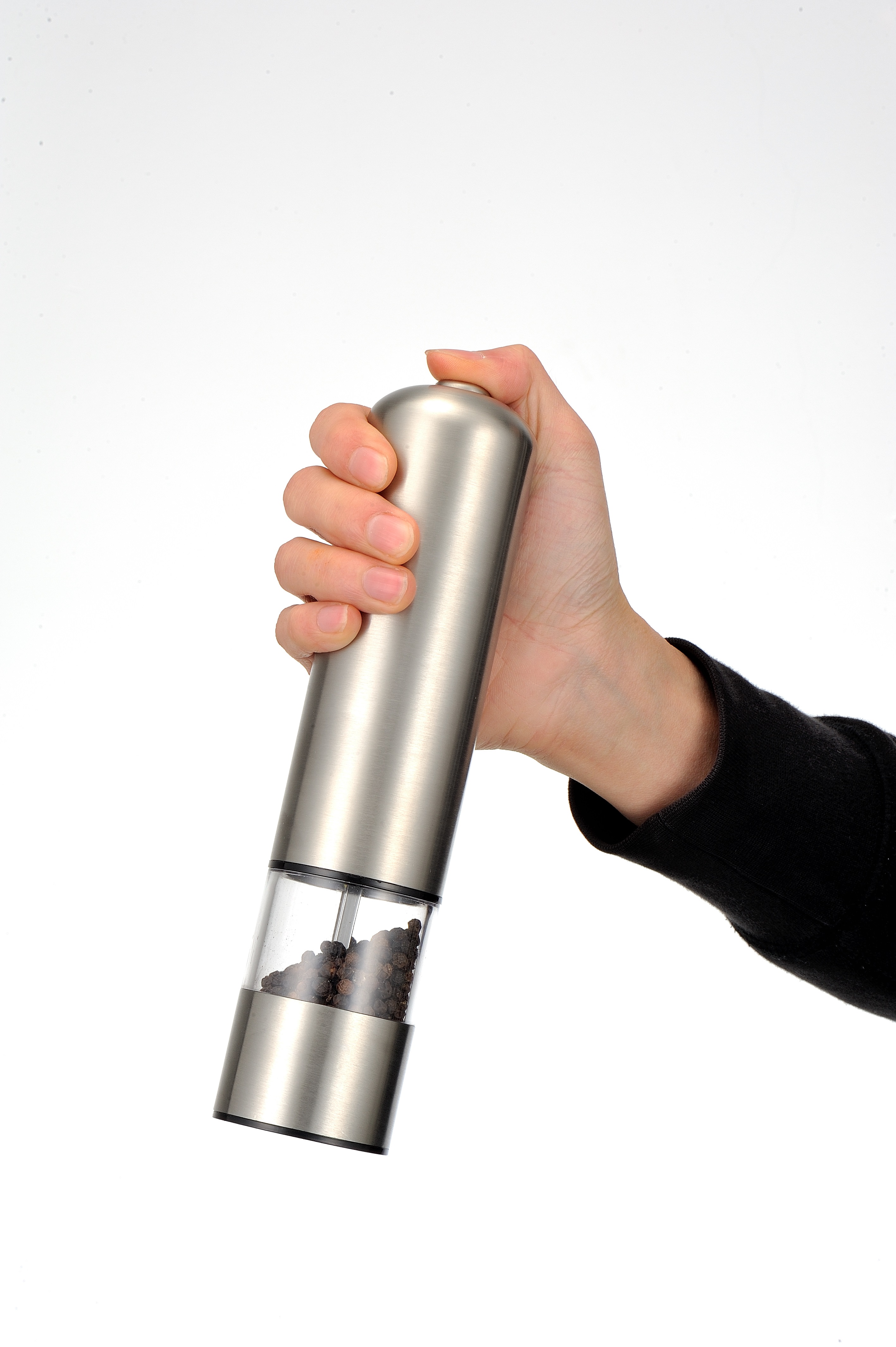 Managing Noise Levels in Electric Grinder Salt Pepper for a Quiet Culinary Experience
  Electric Salt and Pepper Shakers with Lights Design Rationale
  What types of peppercorns are suitable for use in an auto pepper grinder?
  How is the maintenance and cleaning process different for a compact coffee burr grinder small compared to larger models?
  What materials are commonly used in the construction of stepless hand grinders?
  Selecting a High Quality Electric Ceramic Burr Coffee Grinder
  The Most Reputable Handheld Coffee Grinders Brand
  The Key Components of an Electric Ceramic Burr Coffee Grinder